More Content / Content Suggestion?
Showing posts with label Lighting Alchemy. Show all posts
Wednesday, December 18, 2013
Three Secret Lighting Tips For Next Your Action Film
Shooting an action film is a daunting task under the best of circumstances, let alone when you have a small lighting crew of three, and a tight schedule. In this post, I'm going to share with you how we pulled off a two day shoot in one day, and give you the three lighting secrets you need to know to make your next action film look amazing.
Wednesday, December 4, 2013
How To Light A Film With Only 300w Of Light
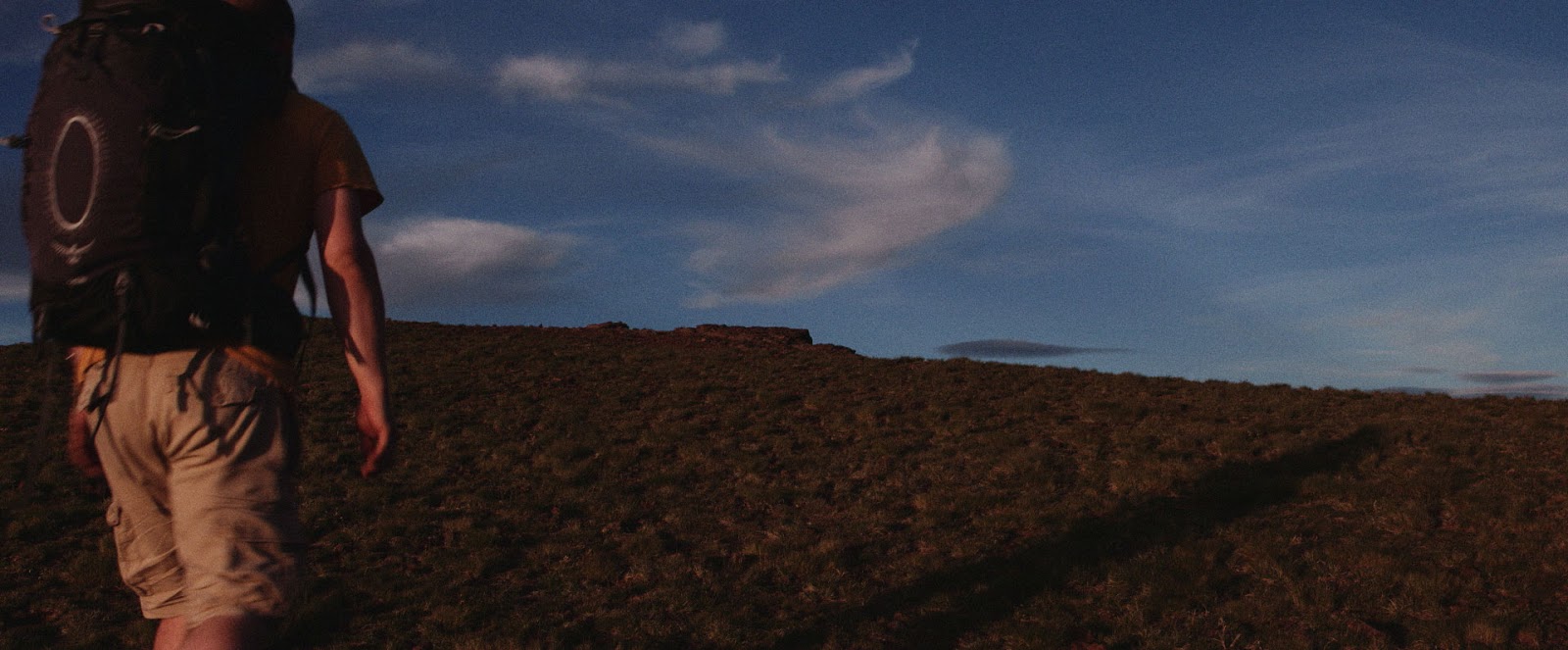
The short film I shot recently, Two Wolves, exemplifies the principle of embracing your practical constraints and finding creative solutions within them. In this post, I'm going to take you behind the scenes of the film and show you the lighting setups (and diagrams) I used for the two primary scenes of the film. And the great thing about it is that we only used 300w for the entire film!
Wednesday, November 27, 2013
The Curse Of The Perfectionist: Why My Work Is Never Good Enough
![]() |
| Still From The Short: Two Wolves |
Ever since childhood, when I began drawing and painting, I've been seeking to take the images in my head and make them a reality. At the end of every attempt, I would look at what I had created... and all that stood out to me were the flaws- what I could have done better. It was never good enough for my standards. This same drive (or curse... ) for perfection continues to follow me to this day. No matter what the size, scale, or budget level of the project, when I look at what I've created, all I can see is where I need to improve.
This is not to say that I'm not happy with my work. I am. But I know I still have a lot of room to grow in my craft. It is because of that push for growth that I am always critically evaluating my own work. So I thought it would be a good exercise to share with you what I see as my mistakes in a recent short film that I shot.
Wednesday, November 20, 2013
The Secret To Delivering Great Images Within Tight Deadlines
![]() |
| Test Frame: Experimenting With Gels |
Earlier this week I received news from my writer & director friend AJ Brooks that the short I DP'd for him won first place in last months DVXuser fest. To add a little perspective, this film was shot over two nights with a volunteer crew of five (AJ & myself count as 2 of that 5), and then edited and delivered it four days later. The news of this win reminds me yet again that the secret to great images with tight deadlines is not in using fancy gear and large crews, but it is in spending the time in preproduction developing a solid plan and testing it out beforehand.
Here are the two steps I took to set us up for success.
Wednesday, October 16, 2013
How To Use Custom Sekonic Profiles
As you may already be aware, I have put together a lot of training on how to use a light meter and have compiled an extensive list of camera profiles to use with the Sekonic 758 & 478. And it appears that I incorrectly assumed that it was clear on how to use the profiles once they were loaded into the meter. (at least from the emails I have received recently). So if you have been sitting there wondering, "Okay, now what do I do?", this blog post will explain how to use the custom Sekonic profiles I have created.
Wednesday, August 28, 2013
How To Shoot & Light For The Grade
![]() |
| C100 with FilmConvert |
When I first started implementing this technique, I ran into situations where I thought the image looked good on set, but back in the grade, the LUT didn't work as planned. I lost important information in my image, and I had to abandon using the LUT.
That began my quest for a solution on how to develop a methodology for how to shoot for the grade. Here is the process I went through, and how you can be better prepared to use LUTs or programs like Film Convert when lighting your sets.
Wednesday, August 21, 2013
Can your iPhone really be a light meter?
This past February I backed my first Kickstarter project ever- the Luxi. According to James Flynn, this little iPhone accessory would change my iPhone into a light meter. And, if you have spent any time on this blog, you know I'm a HUGE fan of light meters. So for $14, I figured why not give it a try- for that money, it would be worth a shot, even if it failed. Like a lot of kickstarters, this one missed its target delivery date- May 2013 came and went. But, fortunately, they did finally deliver my adapter last week. And, as it would happen, I had a scouting and testing day already on the calendar, so what better way to test it out, then in a real work situation...?
Wednesday, June 12, 2013
Three Tips To Help You Create Your Style
If you want to stand out amongst the ever growing pool of cinematographers & DP's, it is important to begin to define your style, or your "look." Unfortunately, there is no shortcut to defining your style. It will take lots of time and lots of hard work. I've been doing this since 1998, and I think I'm only now beginning to own my style and know how I like to work. However, if you follow these three steps, you'll be well on your way to defining your own style. And, maybe with a bit of luck, you'll be able to define your own style faster than I have.
Wednesday, June 5, 2013
Three Crucial Tips For Buying A Lighting Kit
![]() |
| (Lighting Setup For Green Screen Work) |
Wednesday, February 6, 2013
Can You Really Use A Light Meter App?
![]() |
| The Studio Setup |
Wednesday, December 19, 2012
How To Create A Lighting Diagram
Preproduction is king in the projects that I work on. As demonstrated by the 48hr Film Fest I competed in, the better prepared you are going into a project, the better the end result and the easier it will be to deal with any challenges on set when they arise. (And believe me, they will happen). One of the crucial parts of preproduction for the projects that I am involved with is the creation of the lighting diagram, and I'm going to share with you what my process looks like...
Wednesday, November 28, 2012
What Is The Point Of A Light Meter In The Digital Age?
With the proliferation of digital cinema cameras these days, I often get asked, "Do you really need to use a light meter? After all, isn't the whole point of working with digital- 'What You See, Is What You Get?'" While a case can be made for that perspective, I believe that by doing so you miss out on the power, efficiencies, and knowledge that working with a meter adds to your skill set. Here is why I think the light meter is a critical tool to use with digital cinema cameras.
Thursday, July 26, 2012
Update On The Sekonic Camera Profiles
The digital revolution has brought with it an unprecedented number of formats and finite control over how an image is recorded in camera. While I appreciate the options and level of control, it has added some complications into the mix when it comes to creating camera profiles with the Sekonic DTS software. In an effort to clear up the confusion, I've updated the following information & camera profiles on my site.
Wednesday, July 18, 2012
The Secret To Great Lighting
One of the key elements to making your images look cinematic is in your lighting choices. Even if you have a great set and talent, if the lighting is flat and poorly executed, your images will not end up feeling cinematic regardless of what camera system you are shooting on. So how do you light cinematically? Well, I want to share a secret with you ...
Wednesday, June 13, 2012
Lighting Alchemy: Building A 4x4 Quick Frame
[HIGHLY RECOMMEND WATCHING THIS FULL SCREEN]
4x4 frames can be a great tool to help you shape light, however they can be cumbersome to transport when space is at a premium. Add to that the additional cost of buying a 4x4 break away frame, and you might opt to forgo the 4x4 frame all together. In this post I show you how to build your own frame that will get you 90% of the way there for about 1/3 of the price. Read on for links to everything you need to make this project happen.
See The Frame In Use On Set:
Lighting Alchemy: Behind The Scenes of Working From Home
Friday, June 1, 2012
Creating A Camera Profile For Your Meter
[HIGHLY RECOMMEND WATCHING THIS FULL SCREEN]
Lean how to create a custom camera profile for use with your Sekonic 758Cine. I take you all the way through the process from shooting the chart to processing the footage with Sekonic's new Data Transfer Software v3.0. I have also developed a library of profiles that you can freely download at: ryanewalters.com/SP/sekonicprofiles.html.
Friday, February 17, 2012
Lighting Alchemy: BTS of Working From Home
This video explains in detail how I lit one of my recent stock footage shoots. Below you can find the associated lighting diagrams, as well as an equipment list of what was used on this shoot. If you would like to see the complete series of clips from the shoot you can view them here.
Monday, November 21, 2011
Lighting 101: Using The Meter
[HIGHLY RECOMMEND WATCHING THIS FULL SCREEN]
Welcome to the language of light! In the Lighting 100 series of videos you will be taken through the basic concepts you need to understand and master in order to creatively use light to tell visual stories. In episode 101 Ryan reveals the need for, and the use of the light meter, an often overlooked and misunderstood tool. But through the proper use and understanding, it can allow you to shape light in a whole new way.
At the end of this video I show a couple of helpful tips for working with the Sekonic L-758Cine, and make mention of additional tips on my blog. After the jump you will find the tips I demonstrated in the video as well as three additional tips you might find useful:
Wednesday, May 4, 2011
Tuesday, May 3, 2011
Subscribe to:
Posts (Atom)