More Content / Content Suggestion?

Wednesday, September 4, 2013

The Importance Of Choosing Who You Work With

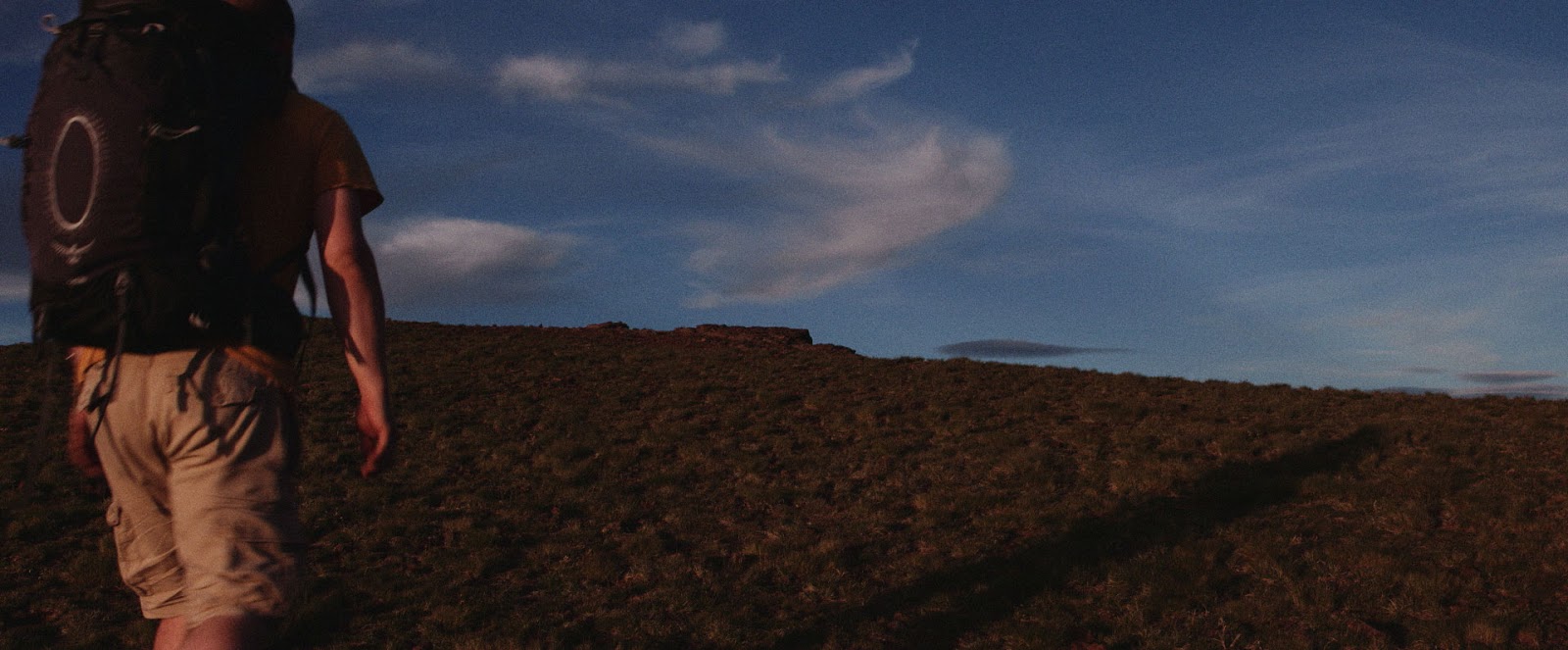
Still Frame From "The Kid" (Look Created Completely In Camera)

Last week I had the opportunity to shoot a short film with Jeff Winograd- a director that I highly enjoy working with. Over the years, Jeff and I have worked the gamut of projects, ranging from big brands like Adidas, down to small local companies you've never heard of. And, as we joined forces last week to shoot his short, The Kid, on the 5D MKIII using the Magic Lantern RAW Hack, the experience reminded me about the importance of choosing who you work with.

While this is a business, and it is important to make a living, there are a number of intangible things that will directly affect your success and your sanity over the long haul. In what follows, I share what matters to me, and what values you should consider as you develop working relationships with others in the filmmaking profession.

Wednesday, August 28, 2013

How To Shoot & Light For The Grade

C100 with FilmConvert
Adding in film grain and applying film LUTs are a few of the tricks I've used over the years to take the edge off digital imagery. The addition of these elements not only makes the image look and feel more like film, but, more importantly, it takes the "exactness" and clinical precision off of the digital image. It makes it feel more organic.

When I first started implementing this technique, I ran into situations where I thought the image looked good on set, but back in the grade, the LUT didn't work as planned. I lost important information in my image, and I had to abandon using the LUT.

That began my quest for a solution on how to develop a methodology for how to shoot for the grade. Here is the process I went through, and how you can be better prepared to use LUTs or programs like Film Convert when lighting your sets.

Wednesday, August 21, 2013

Can your iPhone really be a light meter?


This past February I backed my first Kickstarter project ever- the Luxi. According to James Flynn, this little iPhone accessory would change my iPhone into a light meter. And, if you have spent any time on this blog, you know I'm a HUGE fan of light meters. So for $14, I figured why not give it a try- for that money, it would be worth a shot, even if it failed. Like a lot of kickstarters, this one missed its target delivery date- May 2013 came and went. But, fortunately, they did finally deliver my adapter last week. And, as it would happen, I had a scouting and testing day already on the calendar, so what better way to test it out, then in a real work situation...?

Wednesday, August 14, 2013

Final Cut Pro Is Dead (Or Why I'm Stuck With Premiere)


When iMove Pro, Final Cut X was launched, I saw the writing on the wall- my beloved editing and grading programs (FCP 7 & Color) were on the way out... to be replaced by this fancy, simple, new, wiz-bang, all-in-one program. Granted, I loved the idea and concepts they were touting with their "revolutionary" new product (technology should be simple). It would ideally empower me to create quickly and effortlessly, like paint on paper. However, at the time, it failed in its execution. At its release, FCX was really a 1.0 program, not a 10.0 program. I was too hamstrung by it to work effectively, so I had to jump ship to Premiere. And now, two years later, I find myself re-evaluating the landscape, coming to the same conclusion. For me, Final Cut Pro is dead, and I'm stuck with Premiere.

Wednesday, August 7, 2013

An Untraditional Approach To Getting Your Start In The Film Industry


Since writing my blog posts on Film School and Breaking Into The Industry, I have received a number of emails asking for specific advice about getting one's start in the film industry. As I have responded to these emails it has helped me to formalize my thoughts into the following bits of advice. I believe that if you follow what I've outlined here, you will be setting yourself up for success in the film industry. It is not a traditional approach, but then again, this is not a traditional industry...

Wednesday, July 31, 2013

How To Prepare Youself For Working With An External Recorder


So how do knock off $10,000 from the price of a a $16,000 camera? By using an external recorder like the Atomos Ninja and buying a C100 instead. When recording externally to the ProRes codec you get a higher quality codec then what you can get out of the the more expensive C300 natively. And while I welcome the ability to save a chunk of cash and still get the same, if not better quality images from a more affordable camera, it's not all a bed of roses, as I experienced recently on a shoot. Continue reading to find out what happened, and how you can prepare yourself for working with an external recorder.

Wednesday, July 24, 2013

How To Properly Add Life Back Into Your Digital Footage

(Before: Log/After: Grade w/Film Convert)

If you have been following my blog for any length of time, you probably know that one of my biggest frustrations with digital imagery today is how pristine it is. Digital images are just too good, and too clean. When great digital cameras are coupled with great modern glass, the resulting image is one that is technically "perfect," but lacks the "life," "character," & "personality" that film brought with it in years past. I have developed a three step process to reintroduce life into my footage: 1. Proper lens selection, 2. Proper in camera filtration, & 3. Proper post processing. Recently I have added FilmConvert to the post processing step of my footage. But I've wondered... When is the proper time to apply FilmConvert? Since the online documentation is lacking, I set out to test a couple of workflows for myself. Here is what I've found.